
Bodi Junawani (Mahupani) · Madhya Pradesh
The Betul campus
On the Betul–Khandwa road, the distillery sits alongside food and feed manufacturers. The operations share steam and electricity. The adjoining feed mill also uses grain solids from the distillery and bran from the flour mill.
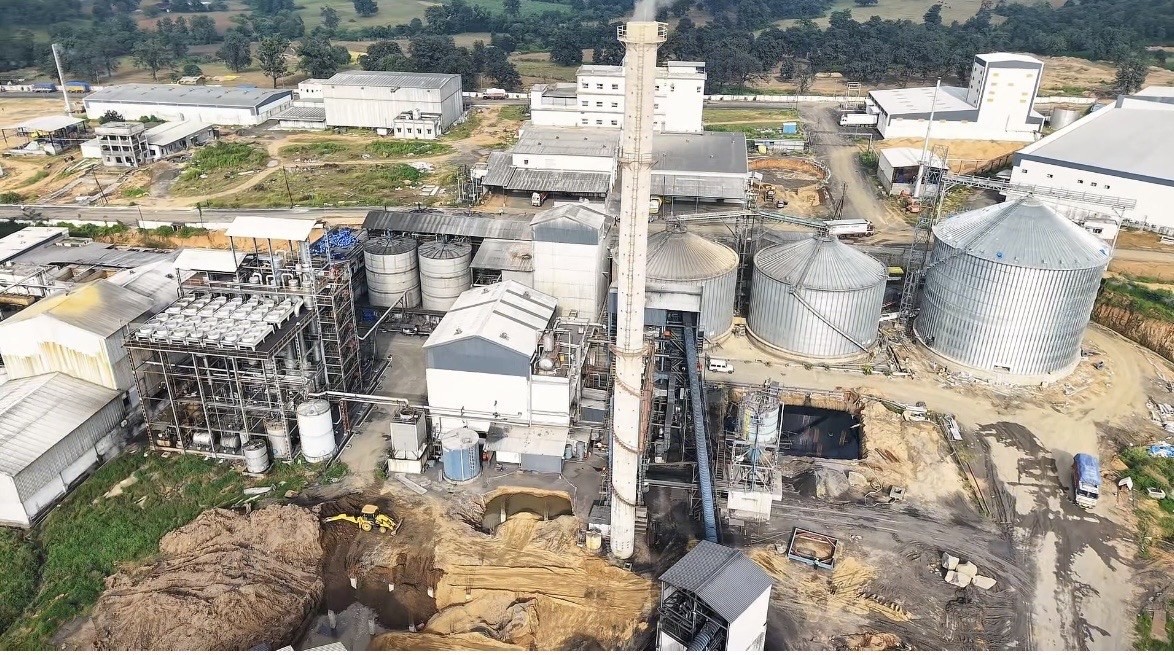
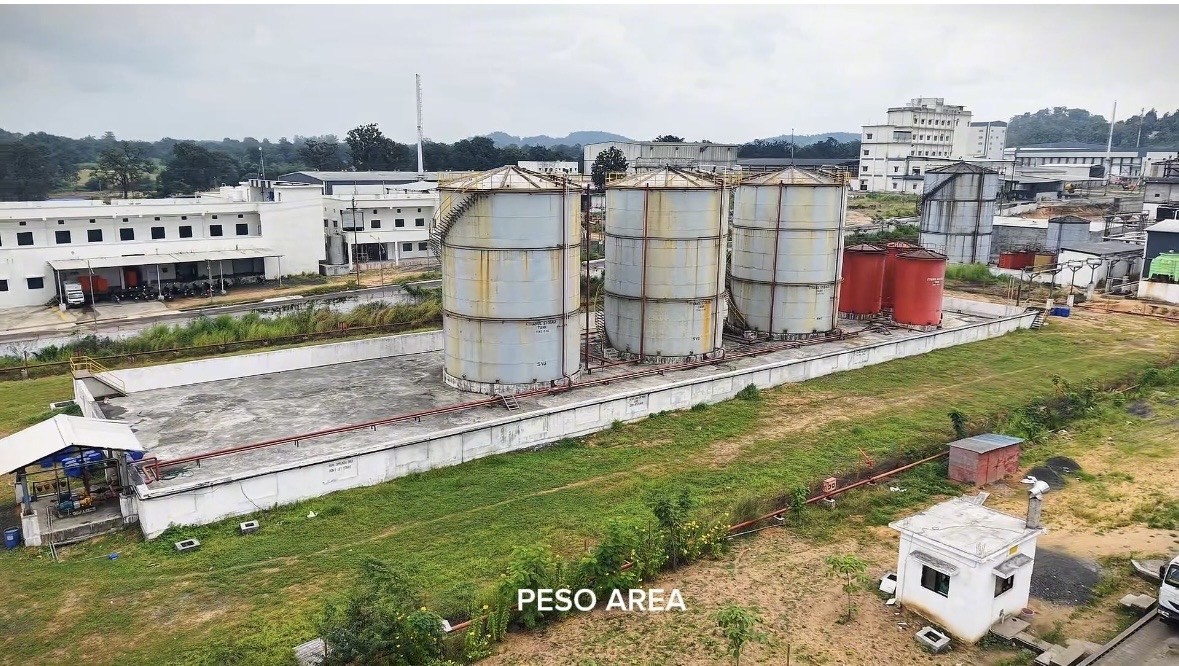
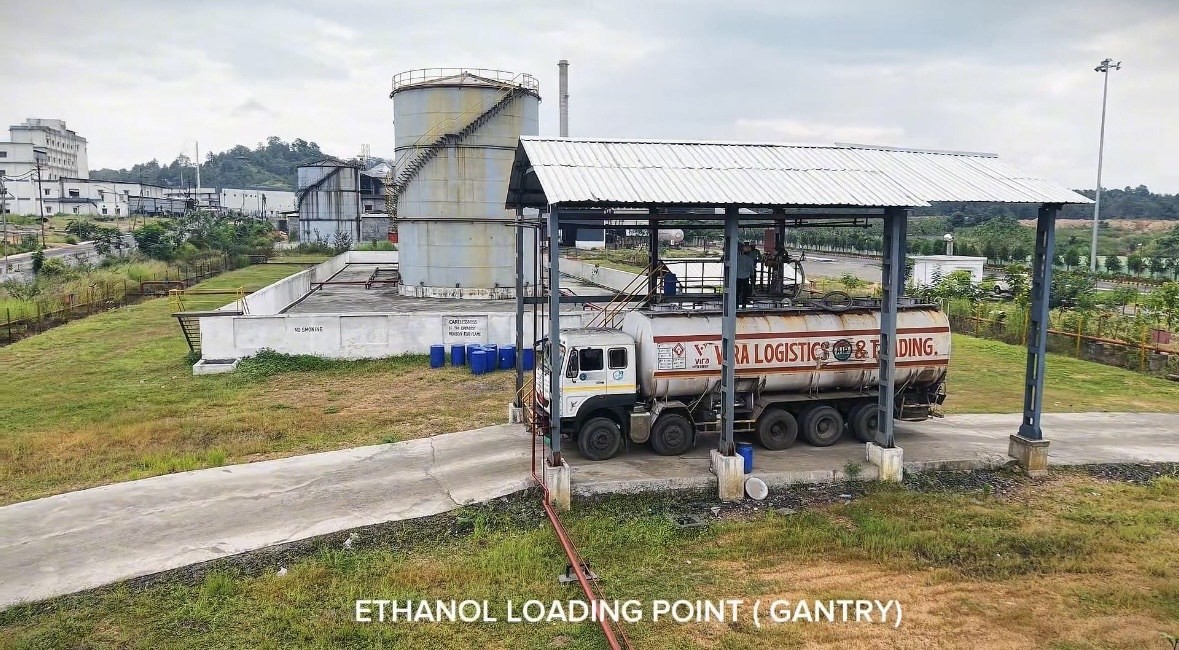
Grain storage and ethanol dispatch
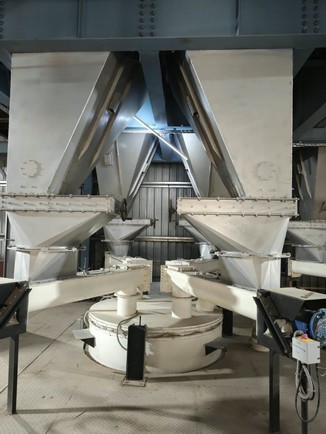
Grain comes into silos before milling and fermentation. At the other end of the distillery, dedicated tanks hold the finished ethanol until a road tanker takes on its load at the gantry. A separate recovery unit collects carbon dioxide from fermentation for sale as liquid CO₂ or dry ice.
The neighbouring food and feed plants
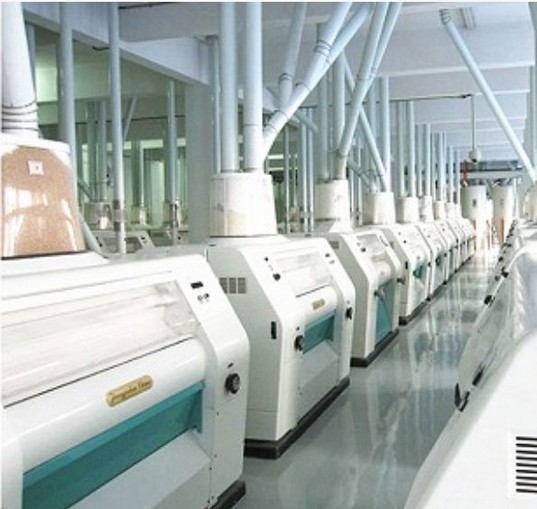
The distillery supplies steam and turbine-generated electricity to the food park. Primo’s milling line supplies wheat bran, and the distillery supplies dried grain solids, to Navaahar. The feed plant can draw on both ingredients at the same site.
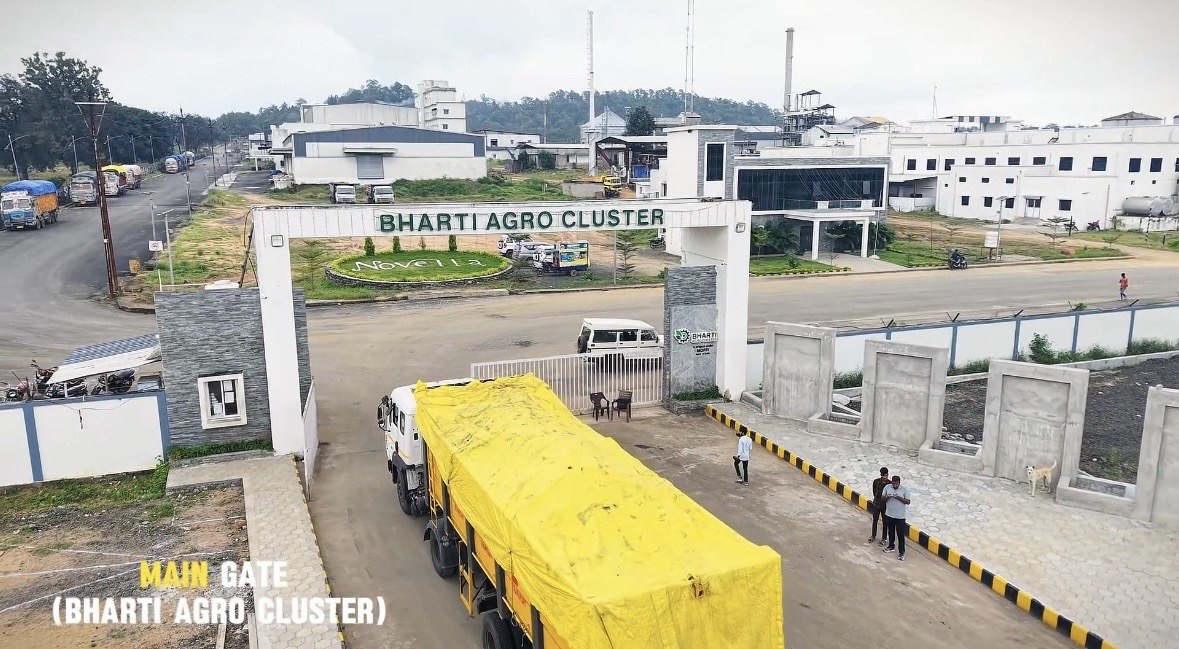
How the campus developed
The Ministry of Food Processing Industries approved the agro-processing cluster on 19 December 2018. In February 2022, it reported to Parliament that Betul was one of five clusters whose core processing and basic infrastructure had been completed in 2021–22.
Ministry records locate the dairy, flour mill and feed project at Bharati Agro Cluster. KBK Chem-Engineering, the contractor that commissioned the original distillery, reports that the construction teams worked at an elevation of about 600 metres.
Ministry annual report, 2021–22 (PDF) · KBK’s commissioning account
The distillery at commissioning and today
May 2024 · 100,000 litres a day
Commercial production began in March 2024. That May, engineering partner Pioneer Chem Solutions published this aerial view with its commissioning announcement.
View the original photograph on LinkedIn · ICRA’s commercial start date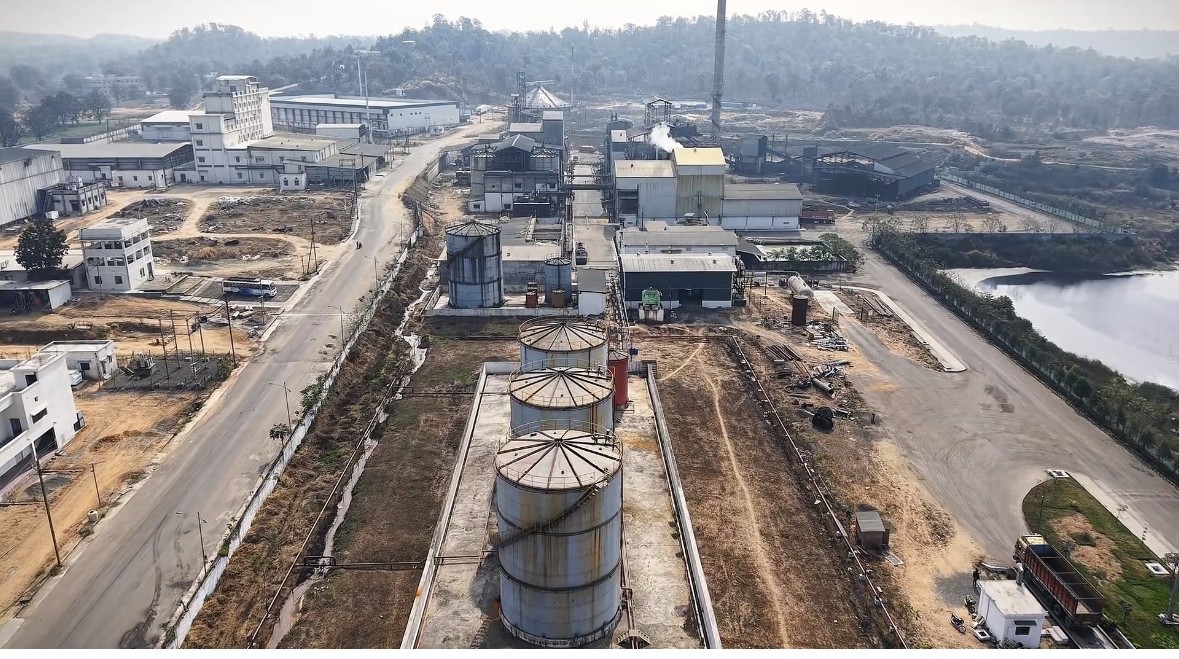
Current capacity · 210,000 litres a day
Betul Biofuel now reports more than twice the original ethanol capacity. Its campus photograph shows the grain silos lining the road into the distillery.
Photograph and capacity · Betul Biofuel